 English
 Deutsch
 Français
 Polski
 Dutch
Dutch
 Swedish

GS1 / PPWR / DPP
Siła trójki: Jak przekształcić obecne normy i przepisy w swoją przewagę konkurencyjną
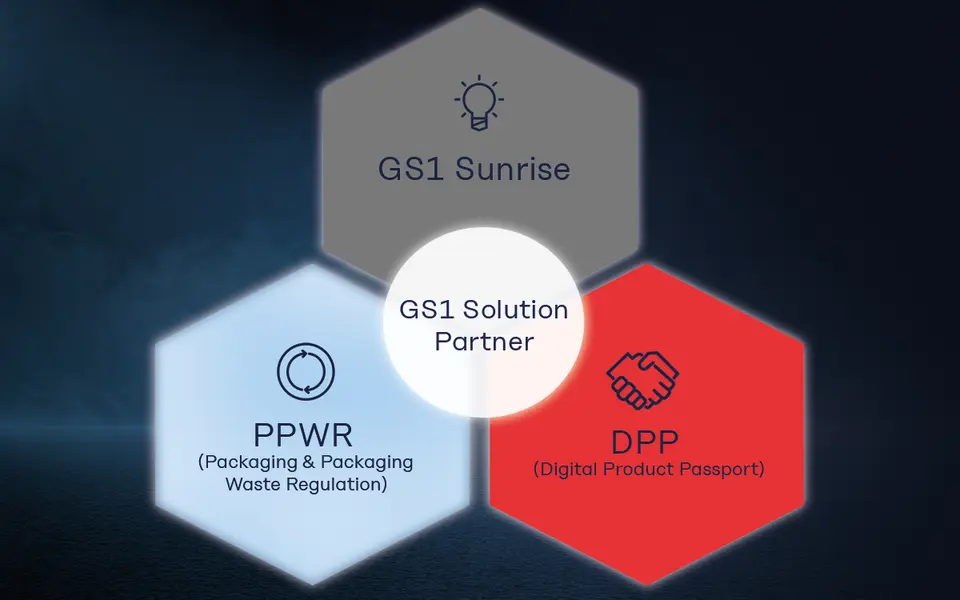
Jako certyfikowany partner GS1 Solution Partner firma Koenig & Bauer Coding dostarcza dostosowane do indywidualnych potrzeb rozwiązania w zakresie znakowania i kodowania, które pozwalają przekształcić wymagania tych ściśle powiązanych ze sobą norm i przepisów w przewagę konkurencyjną.

Transformacja w dziedzinie opakowań
GS1 Sunrise, PPWR i DPP to coś więcej niż tylko nowe skróty - symbolizują one fundamentalną zmianę w kierunku cyfrowo połączonego i bardziej zrównoważonego ekosystemu produktów. Na nowo definiują one zasady działania przedsiębiorstw praktycznie w każdej branży. Firmy, które podejmą działania już teraz, będą nie tylko przygotowane do spełnienia przyszłych wymogów regulacyjnych, ale także położyły podwaliny pod większą wydajność, przejrzystość i długoterminową konkurencyjność. Transformacja w dziedzinie opakowań stanowi zarówno wyzwanie, jak i szansę.
Organizacje, które wcześnie podejmą tę transformację, mogą zapewnić zgodność z przepisami, usprawnić procesy wewnętrzne oraz stworzyć trwałą wartość dla detalistów, konsumentów i środowiska.
Przyszłość opakowań zaczyna się już dziś.
Twoja droga do opakowań gotowych na przyszłość zaczyna się już teraz
- GS1 Sunrise
Podstawy technologiczne: Tradycyjny kod kreskowy liniowy (1D) jest na całym świecie zastępowany przez kody dwuwymiarowe (kody QR i kody DataMatrix) zawierające większą ilość danych, co pozwala na przechowywanie znacznie większej ilości informacji o produkcie oraz łatwiejszy dostęp do nich. Termin: 31 grudnia 2027 r. (gotowość punktów sprzedaży na całym świecie)
- PPWR (Rozporządzenie UE w sprawie opakowań)
Ramy fizyczne: Skupiają się na zapobieganiu powstawaniu odpadów, pełnej możliwości recyklingu oraz zasadzie stosowania jednego materiału w celu wspierania gospodarki o obiegu zamkniętym.
Terminy: 12 sierpnia 2026 r. (faza 1) | 2030 r. (wymogi dotyczące projektowania pod kątem recyklingu)
- DPP (Cyfrowy paszport produktu)
Komponent cyfrowy: Zapewnia kompleksową przejrzystość w całym cyklu życia produktu, udostępniając informacje takie jak ślad węglowy, pochodzenie i dane dotyczące zrównoważonego rozwoju za pośrednictwem kodu nadającego się do odczytu maszynowego.
Wdrożenie: Stopniowe wdrażanie rozpoczynające się w 2027 r., począwszy od baterii i tekstyliów.

Co te trzy filary oznaczają dla Twojej firmy?
Procesy znakowania i pakowania wymagają nowego podejścia, dane muszą być inteligentnie połączone, a systemy dostosowane do przyszłych wymagań. Identyfikacja produktów staje się kluczowym czynnikiem zapewniającym przejrzystość, identyfikowalność oraz prawdziwą gospodarkę o obiegu zamkniętym.
Które wymagania są dla Ciebie najważniejsze?
- Prędkość?
- Rozdzielczość druku?
- Projekt opakowania?
- Zarządzanie danymi, a może coś zupełnie innego?
Koenig & Bauer Coding
Twój partner w dziedzinie znakowania przyszłości
Każde zastosowanie jest wyjątkowe. Dlatego wymaga rozwiązania precyzyjnie dostosowanego do Państwa procesów produkcyjnych. Niezależnie od tego, czy chodzi o opakowania pierwotne, wtórne czy trzeciorzędne, różne materiały, prędkości produkcji i wymagania aplikacyjne wymagają odpowiedniej technologii kodowania i znakowania.
Od ponad 50 lat w naszych zakładach produkcyjnych w Niemczech i Szwecji opracowujemy i produkujemy najwyższej jakości rozwiązania do kodowania i znakowania, zaprojektowane tak, aby spełniały Państwa konkretne potrzeby. Dzięki doskonałej jakości druku, niezawodnej czytelności kodów oraz płynnej integracji z istniejącymi liniami produkcyjnymi nasze systemy zapewniają wydajne, niezawodne i przyszłościowe procesy znakowania. Opierając się na szerokiej gamie technologii, zapewniamy przejrzyste, niezależne od dostawców doradztwo, skupiające się na znalezieniu najlepszego rozwiązania dla Państwa zastosowania.
Już teraz wspieramy firmy na całym świecie we wdrażaniu rozwiązań do śledzenia i identyfikacji produktów oraz w spełnianiu wymagań dotyczących regulowanych kodów 2D. Wnosimy tę wiedzę specjalistyczną do każdego projektu, łącząc praktyczne doświadczenie, przyszłościowe myślenie oraz zaangażowanie w płynną integrację z istniejącym środowiskiem produkcyjnym.
Razem znajdziemy rozwiązanie do kodowania i znakowania, które będzie odpowiednie dla Państwa firmy.
Poznaj nasze technologie zgodne ze standardem GS1:
Continuous-Inkjet Systems
Laser Marking Systems
DOD-Inkjet Systems
Print & Apply Systems
Thermo-Transfer Systems
FAQs
To zależy od wymagań Państwa linii produkcyjnej. Kluczowymi czynnikami są wymagana rozdzielczość druku oraz prędkość produkcji. Wspólnie, kierując się podejściem neutralnym pod względem technologicznym, oceniamy, czy Państwa obecne systemy są wystarczające, czy też alternatywne rozwiązanie stanowiłoby w dłuższej perspektywie najbardziej opłacalną i przyszłościową opcję. Naszym celem jest pomoc w podjęciu właściwej decyzji inwestycyjnej w oparciu o konkretne zastosowanie, wymagania operacyjne oraz przyszłe potrzeby w zakresie zgodności z przepisami.
Dynamiczne kody 2D wymagają niezmiennie wysokiej jakości druku i niezawodnej czytelności. Aby to zapewnić, wdrażamy wysokowydajne systemy wizyjne i kontrolne, które są niezależne od sprzętu i płynnie dostosowują się do Państwa linii produkcyjnej. W przypadku bardzo dużych prędkości linii produkcyjnej nasza opatentowana technologia Laser Noodle Code umożliwia kodowanie nawet trzykrotnie szybciej niż w przypadku metod konwencjonalnych, pomagając utrzymać maksymalną wydajność bez uszczerbku dla jakości kodu lub jego czytelności.
Właściwy wybór zależy od konkretnego zastosowania. GS1 Digital Link (kod QR) idealnie nadaje się do przekazywania informacji dla konsumentów i udostępniania usług cyfrowych, natomiast GS1 DataMatrix jest preferowanym rozwiązaniem do kompaktowego kodowania danych logistycznych i regulacyjnych. W przypadku szczególnie wysokich prędkości produkcji DotCode stanowi skuteczną alternatywę. Wspólnie ustalimy, który kod 2D najlepiej spełnia Państwa wymagania operacyjne, regulacyjne i produkcyjne.
Cyfrowy paszport produktu (DPP) jest powiązany z produktem za pomocą kodu 2D. Aby to umożliwić, odpowiednie dane dotyczące produktu muszą być niezawodnie dostarczane z Państwa systemów informatycznych i umieszczane na opakowaniu. We współpracy z naszymi partnerami wdrażamy rozwiązanie dostosowane do Państwa wymagań, niezależnie od tego, czy oznaczenie jest nanoszone na wczesnym etapie procesu produkcyjnego, czy bezpośrednio na linii pakującej.
Inteligentne połączenie: GS1 Digital Link
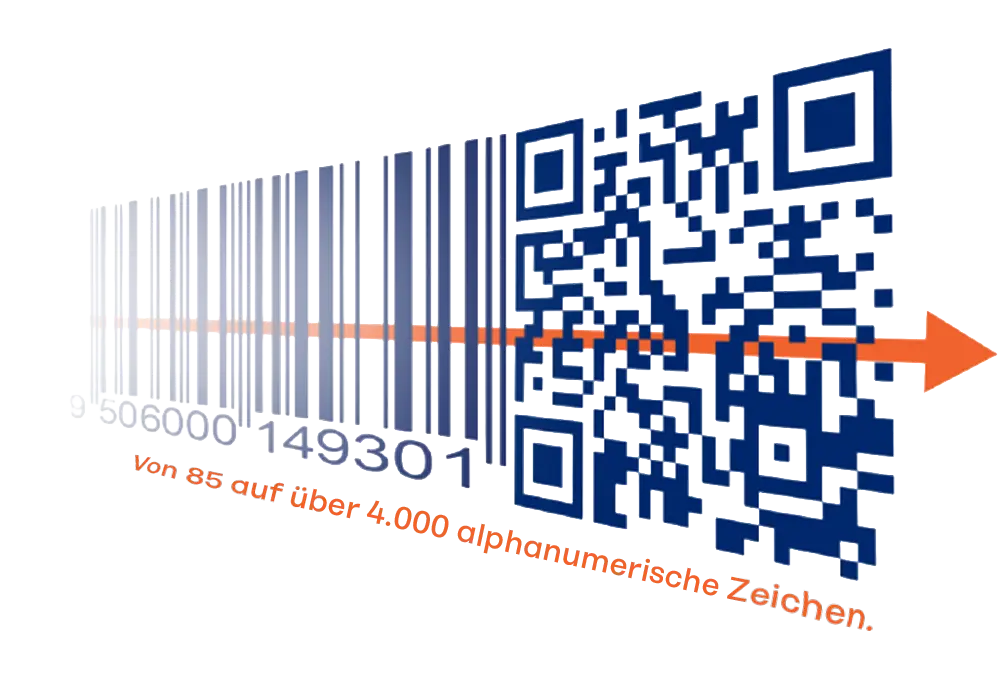
GS1 Digital Link tworzy centralne połączenie między tożsamością produktu a informacjami cyfrowymi. W ramach globalnej inicjatywy branżowej GS1 Sunrise 2027 tradycyjne kody kreskowe 1D (EAN/UPC) są zastępowane nowoczesnymi kodami 2D.
Dlaczego warto przejść na kody 2D?
Tradycyjne kody kreskowe 1D od dziesięcioleci stanowią sprawdzony standard identyfikacji produktów. Jednak cyfrowa przyszłość stawia nowe wymagania: ich ograniczona pojemność pozwala na przechowywanie jedynie informacji statycznych, takich jak numer GTIN.
Kody QR i kody GS1 DataMatrix mogą przechowywać znacznie więcej informacji i łączyć tożsamość produktu z danymi dynamicznymi. Kod 2D staje się cyfrową bramą, zapewniającą większą przejrzystość, bardziej wydajne procesy i nowe możliwości w całym łańcuchu wartości.
Zalety kodów 2D:
- Duża pojemność: Łączy adres URL, kod GTIN, datę ważności, numer partii i numery seryjne w jednym kodzie 2D.
- Niezawodność danych: Dzięki korekcji błędów kod pozostaje czytelny nawet w przypadku uszkodzenia opakowania.
- Inteligentna sprzedaż detaliczna: Umożliwia automatyczne wycofywanie produktów z rynku oraz dynamiczne ustalanie cen w punkcie sprzedaży.
- Pełna identyfikowalność: Optymalizuje zapasy magazynowe i łańcuchy dostaw poprzez śledzenie numerów seryjnych i partii.
- Gotowość na przyszłość: Wspiera globalne przejście z kodów kreskowych 1D na kody 2D przy kasie.
- Zgodność z przepisami: Spełnia wymogi regulacji UE, w tym dotyczące cyfrowego paszportu produktu (DPP).
- Oszczędność miejsca: Jeden kod zarówno dla skanerów, jak i smartfonów konsumentów.
- Natychmiastowa przejrzystość: Dostarcza informacje o produkcie i materiały marketingowe w czasie rzeczywistym bez konieczności ponownego drukowania.
Nowa era dla dziedziny opakowań: PPWR
UE reaguje na stale rosnące zużycie opakowań. Każdy obywatel UE wytwarza obecnie około 190 kg odpadów opakowaniowych rocznie, a liczba ta wciąż rośnie. Jednocześnie wiele materiałów opakowaniowych nadal nie jest poddawanych recyklingowi zgodnie z wysokimi standardami jakości. Rozporządzenie w sprawie opakowań i odpadów z opakowań (PPWR) ma na celu przyspieszenie przejścia na prawdziwą gospodarkę o obiegu zamkniętym oraz ochronę zasobów, klimatu i środowiska. Wymaga ono od przedsiębiorstw ponownego przemyślenia koncepcji opakowań i przejścia na wysoce wydajne, nadające się do recyklingu rozwiązania wykonane z jednego materiału.
Przedsiębiorstwa, które nie dotrzymają wyznaczonych terminów, zwłaszcza pierwszego etapu w sierpniu 2026 r., poniosą poważne konsekwencje, w tym ograniczenia dotyczące wprowadzania na rynek UE opakowań niezgodnych z przepisami.
Cele i korzyści wynikające z programu PPWR:
- Ograniczanie ilości odpadów i zakazy stosowania produktów jednorazowego użytku: Wiążące cele UE dotyczące radykalnego ograniczenia odpadów opakowaniowych oraz wycofania zbędnych produktów jednorazowego użytku.
- Obowiązkowy recykling i limity zawartości materiałów pochodzących z recyklingu: Do 2030 r. wszystkie opakowania muszą nadawać się do recyklingu i spełniać minimalne limity zawartości tworzyw sztucznych pochodzących z recyklingu.
- Rozwój systemów ponownego wykorzystania: Prawnie wiążące limity dotyczące ponownego wykorzystania dla określonych branż, rodzajów opakowań i tras transportowych.
- Minimalizacja opakowań i maksymalna ilość pustej przestrzeni: Opakowania muszą być jak najlżejsze i jak najmniejsze; w pudełkach wysyłkowych dopuszczalna jest maksymalnie 50% pusta przestrzeń.
- Ujednolicone oznakowanie materiałów: Standaryzowane piktogramy UE zapewniające jasną identyfikację materiałów i prawidłowe sortowanie odpadów.
- Obowiązkowe dane identyfikacyjne i kontaktowe: Wymóg umieszczania na opakowaniu adresu, danych kontaktowych w formie cyfrowej oraz numerów identyfikacyjnych.
- Cyfrowe oznakowanie substancji niebezpiecznych: Obowiązkowe śledzenie substancji niebezpiecznych za pośrednictwem interfejsów cyfrowych (np. kodów QR).
Cyfrowa tożsamość produktu: DPP
Cyfrowy paszport produktu (DPP) stanowi kluczowy element europejskiej strategii na rzecz zrównoważonego rozwoju. Został on opracowany w celu zapewnienia cyfrowego dostępu do informacji o produkcie przez cały cykl życia produktu. Jego celem jest zwiększenie przejrzystości, wsparcie przejścia na gospodarkę o obiegu zamkniętym oraz umożliwienie podejmowania bardziej zrównoważonych decyzji dotyczących zakupu, użytkowania i recyklingu produktów.
Cele i korzyści wynikające z programu DPP:
- Większa przejrzystość: cyfrowe informacje o pochodzeniu produktów, materiałach i recyklingu.
- Wzmocnienie gospodarki o obiegu zamkniętym: lepsze informacje dotyczące naprawy, ponownego wykorzystania i recyklingu.
- Promowanie zrównoważonych decyzji zakupowych: łatwy dostęp do danych o produktach za pomocą kodu QR.
- Bardziej wydajne łańcuchy dostaw: większa identyfikowalność i lepsza wymiana danych.
- Spełnianie wymogów prawnych: wsparcie w zakresie zgodności z przepisami UE i obowiązków dokumentacyjnych.